
Full-mouth rehabilitation under general anaesthesia
Prof. Ahmed Elkhadem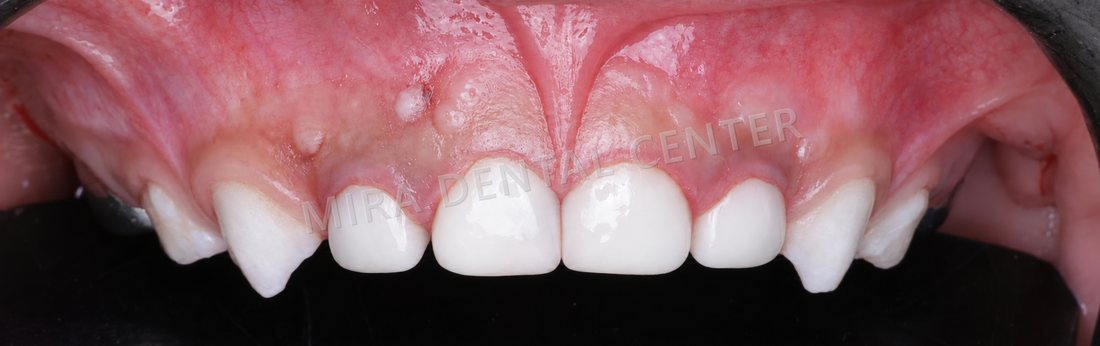
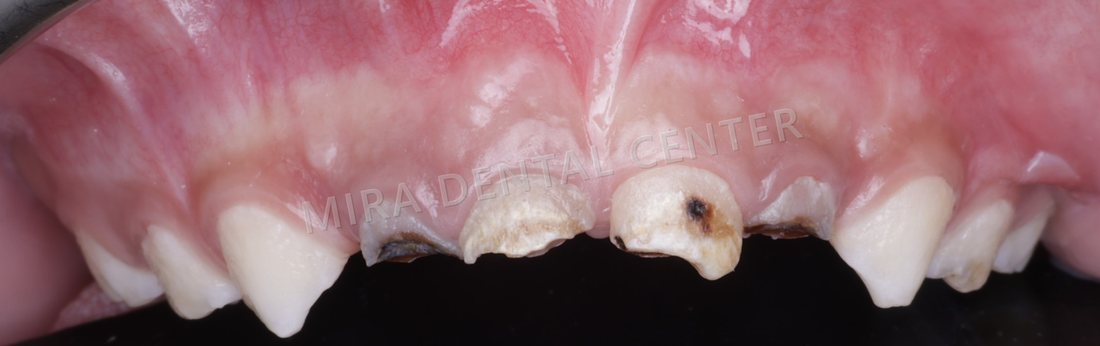 BeforeAfter
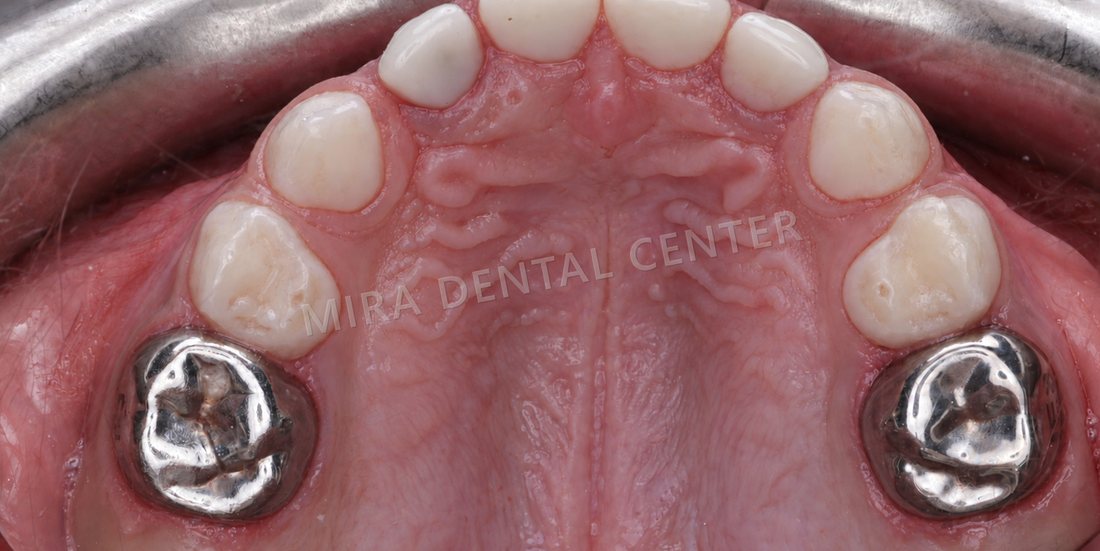
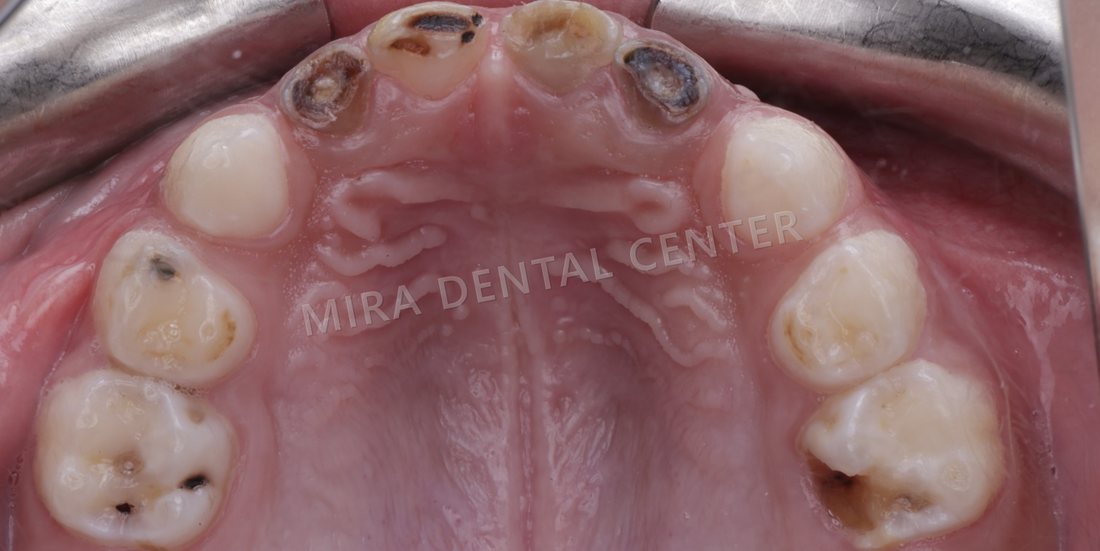 BeforeAfter
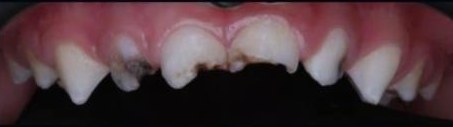
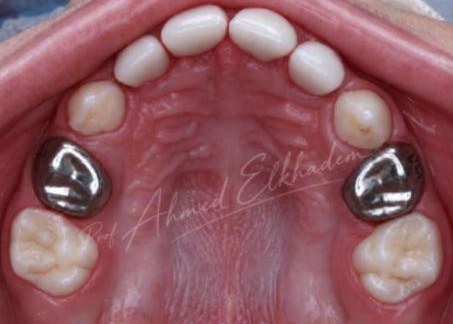
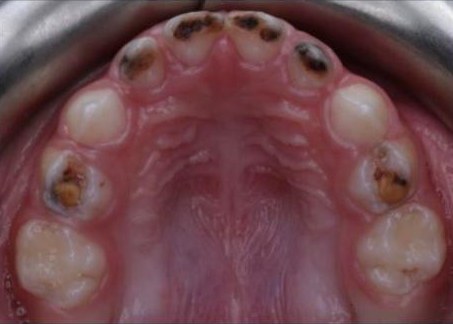
The front teeth were rebuilt with tooth-coloured crowns, and steel crowns were placed on two upper primary molars.
Children at Mira are treated by paediatric dentistry professors from Cairo University. Most treatment is done in the dental chair. For the cases that need it, the centre has its own general-anaesthesia unit with a consultant paediatric anaesthetist.
8 am to 1 pm. An examination and medical review come before the GA day.
We choose the simplest treatment that solves the problem. Photos are from patients treated at the centre.
Regular examinations, fluoride, and fissure sealants that protect molars before decay starts.
For every child, from the first tooth.
For small and moderate decay, keeping the primary tooth until it is due to be replaced.
When decay has not reached the nerve.
Removing the inflamed part of the nerve to stop pain and save the tooth from extraction, then covering it with a crown.
For deep decay or continuing pain.
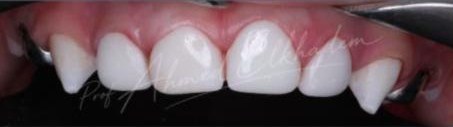
White, tooth-coloured crowns that restore decayed or worn primary front teeth.
For extensive decay or wear of the front teeth.
A steel crown covers the whole primary molar and protects it until it is replaced naturally.
After pulp treatment or when a molar is widely decayed.
If your child breaks a tooth, keep the broken piece and bring it with you. In many cases it can be bonded back.
After falls and injuries. Message us straight away.
We remove a tooth only when it cannot be saved, and explain what is needed afterwards.
When a tooth is beyond repair or an infection cannot be treated.
25 years of experience with children with autism, Down syndrome and cerebral palsy. Special needs do not automatically mean general anaesthesia; each child is assessed individually.
For children and adults with special needs.
All affected teeth are treated while the child is asleep, in the centre’s own anaesthesia unit.
When treatment in the chair is not possible. Details below.
Prof. Elkhadem has treated children and adults with special needs for 25 years.
It is not always the first choice. We suggest it in these situations:
We discuss the alternatives, benefits and risks with you before any decision. General anaesthesia is a medical procedure with risks, like any anaesthetic, so it is chosen only when the benefit for the child is clear.
A consultant paediatric anaesthetist from Cairo University, who reviews the medical history, medications and allergies, and monitors breathing, oxygen, pulse and blood pressure until recovery.
GA days: Monday, Wednesday and Friday, 8 am to 1 pm.
The dentist examines your child, plans the treatment and explains why GA is suggested.
The anaesthetist reviews the medical history, medications and allergies.
Your child arrives fasted, following the centre’s instructions.
No food or drinks for 6 hours before, and no water for 3 hours before. The anaesthetist confirms the exact times for your child.
The affected teeth are treated in the same session while the anaesthetist monitors vital signs throughout.
Your child stays under observation until fully awake. You then receive instructions and a follow-up appointment.
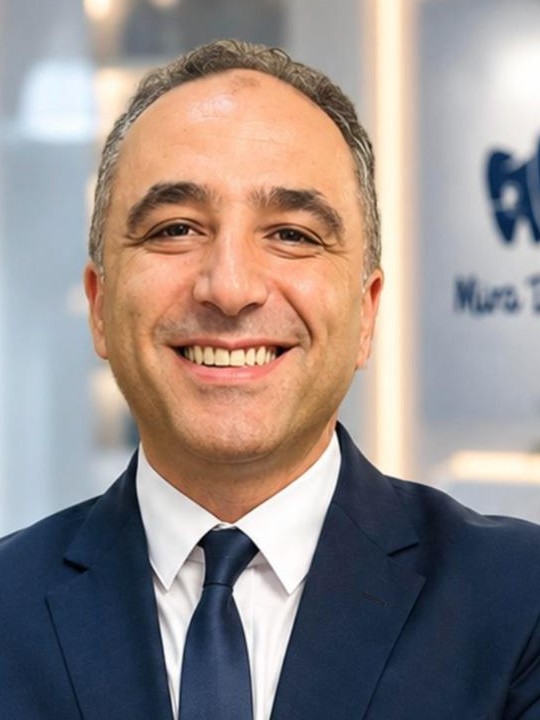
Professor of paediatric and special-needs dentistry, Cairo University. Plans and carries out the dental treatment.
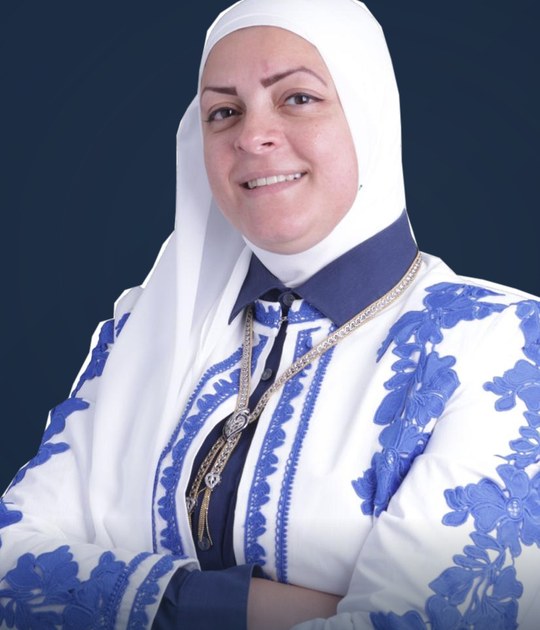
Associate professor and consultant in paediatric dentistry, Cairo University.
Lecturer and consultant in paediatric anaesthesia, Cairo University. Gives the anaesthetic and monitors the child until recovery.
BeforeAfterBeforeAfterThe front teeth were rebuilt with tooth-coloured crowns, and steel crowns were placed on two upper primary molars.
 BeforeAfter
 BeforeAfter
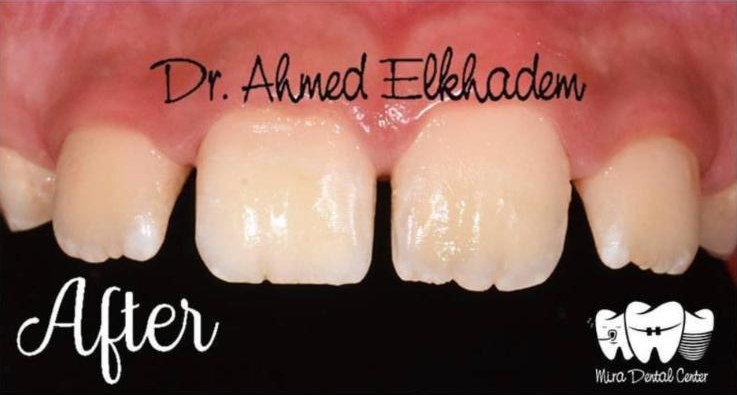
A child with decay and wear in four upper primary front teeth, rebuilt with zirconia crowns.Disclosure: the “after” photos were digitally retouched to remove traces of blood and to adjust the colour of stains and fissures on the two upper back primary molars. This is cosmetic for the image only, not extra treatment.
 Before
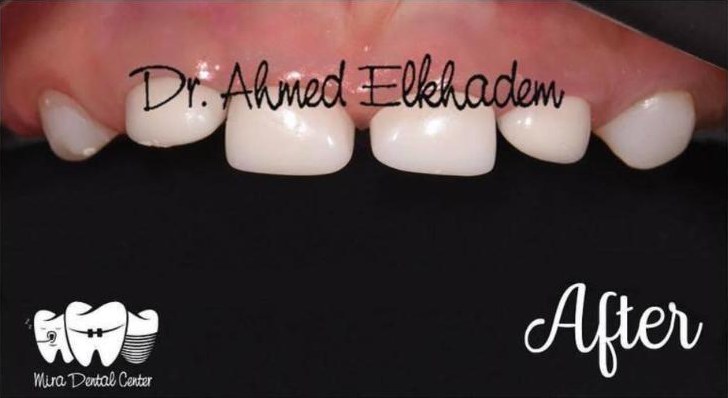 After
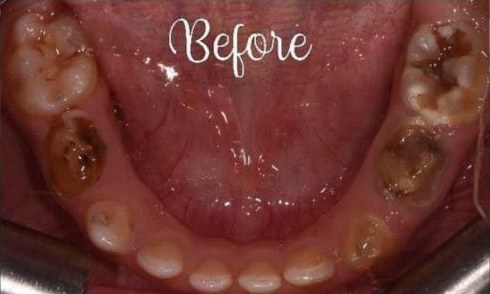 Before
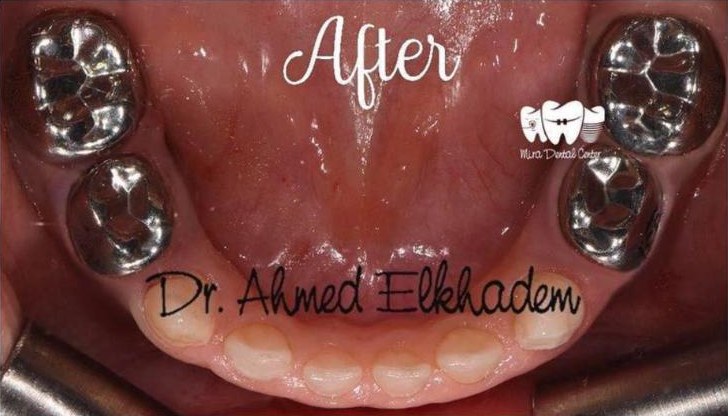 After
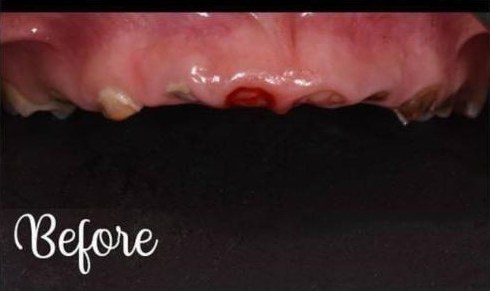
All affected teeth treated under general anaesthesia in a single visit.
Real photographs from the centre’s files and Prof. Elkhadem’s lectures. Results differ from one patient to another, and the treatment plan is decided after examination.
A decayed primary tooth can cause pain and infection and affect eating and sleep, and it holds the space for the permanent tooth. Some primary molars stay until the age of 10 to 12.
When the first tooth appears or by the first birthday. An early visit is short and is about prevention and getting the child used to the clinic.
Not necessarily. Many children are treated in the chair with the right preparation. We decide after examination, based on the child and the amount of treatment needed.
It is set after the examination because it depends on the number of teeth and the type of treatment. You know the fee before the GA day is booked.
The centre is not contracted with insurers. We issue a stamped invoice you can submit for reimbursement.
Send us photos of the teeth and your child’s age on WhatsApp first, so we can coordinate the examination and keep travel to a minimum.