
Printed directly
Conventional aligners are made by forming a plastic sheet over a model of your teeth. A Graphy aligner is itself 3D printed from the digital plan.

Clear aligners printed directly from your digital plan. The plan is made by Prof. Ahmed Elkhadem, consultant orthodontist and founder of Graphy Egypt.
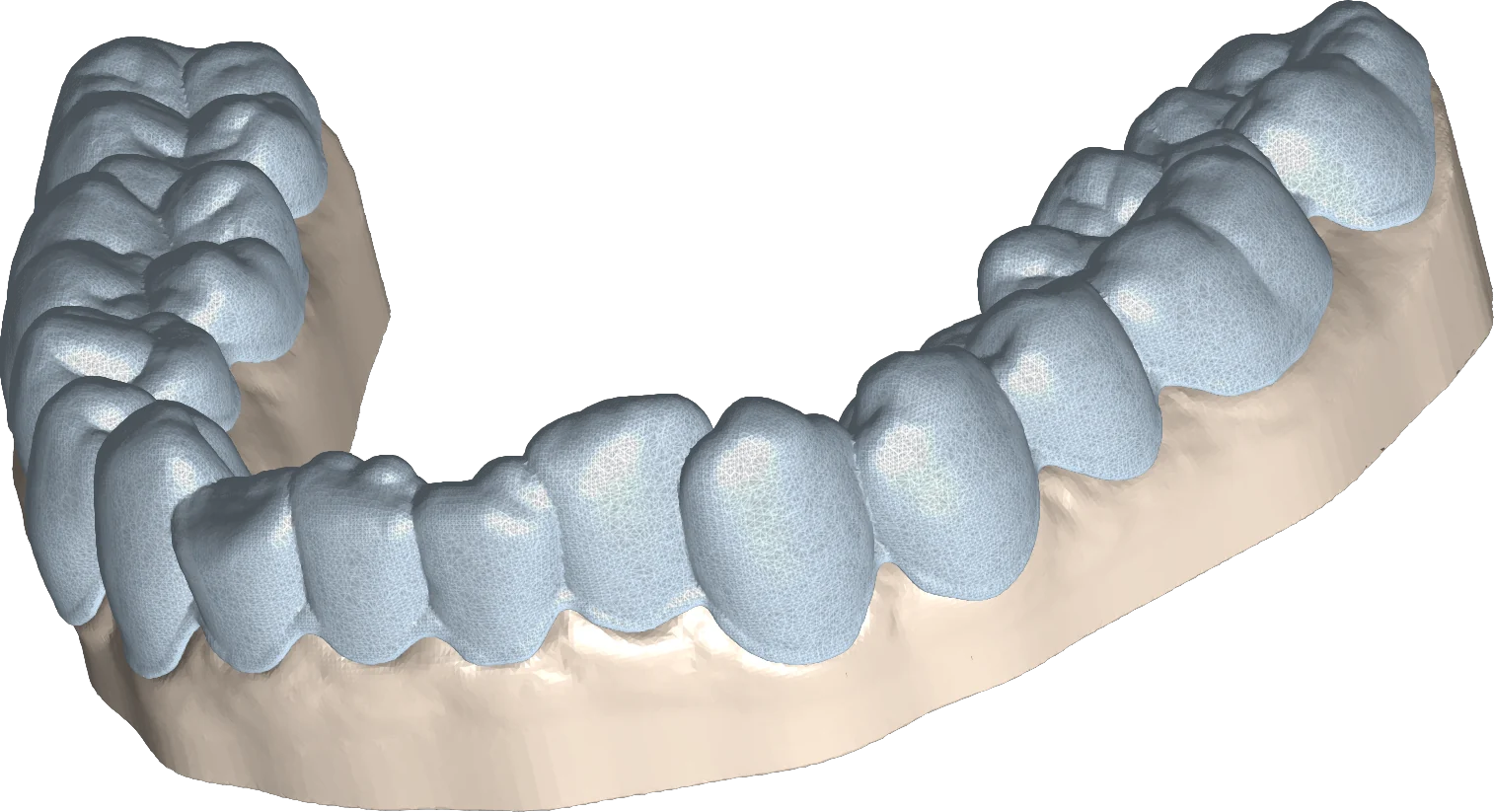
Graphy is a Korean company that developed a material for printing aligners directly. These are the main differences in plain words.
Conventional aligners are made by forming a plastic sheet over a model of your teeth. A Graphy aligner is itself 3D printed from the digital plan.
According to the manufacturer, the material softens in warm water so the aligner is easier to seat, then returns to its printed shape at mouth temperature.
Because the aligner is printed, its shape and thickness can be designed for the movement each tooth needs. Some cases may need fewer attachments on the teeth.
The aligners are printed at the Graphy Egypt 3D-printing hub in Cairo, so there is no wait for shipping from abroad.
Properties are as described by the manufacturer. Treatment time and results differ from one patient to another.
This is where the two specialties meet. A paediatric dentist knows when early orthodontics should start, a consultant orthodontist designs the appliance, and it is then printed clear with Graphy technology.
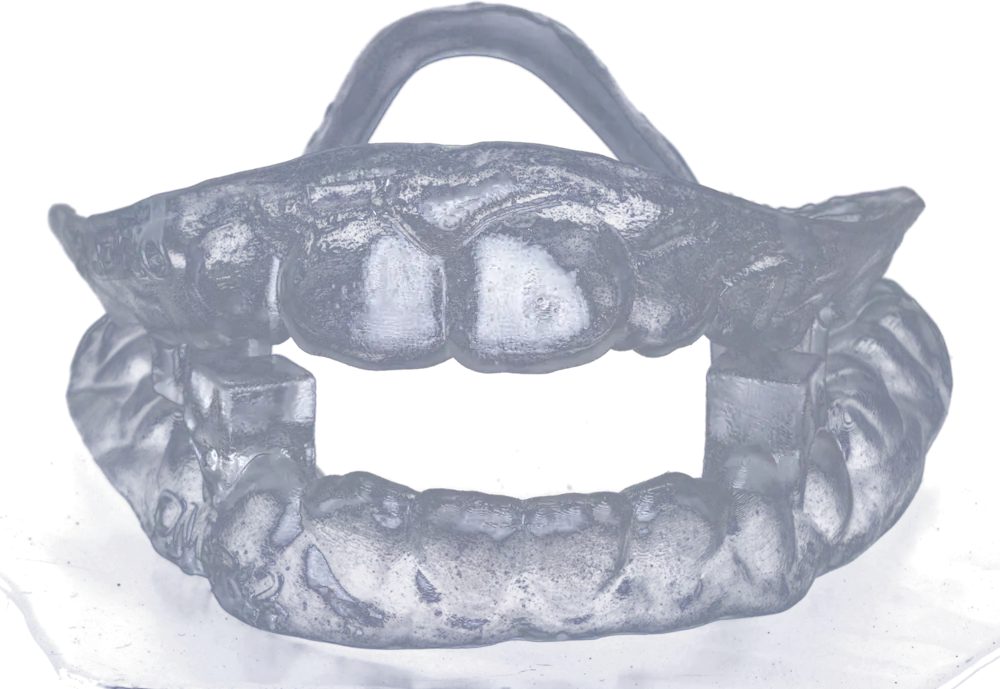
Digital scans of the teeth from cases presented in Prof. Elkhadem’s lectures.
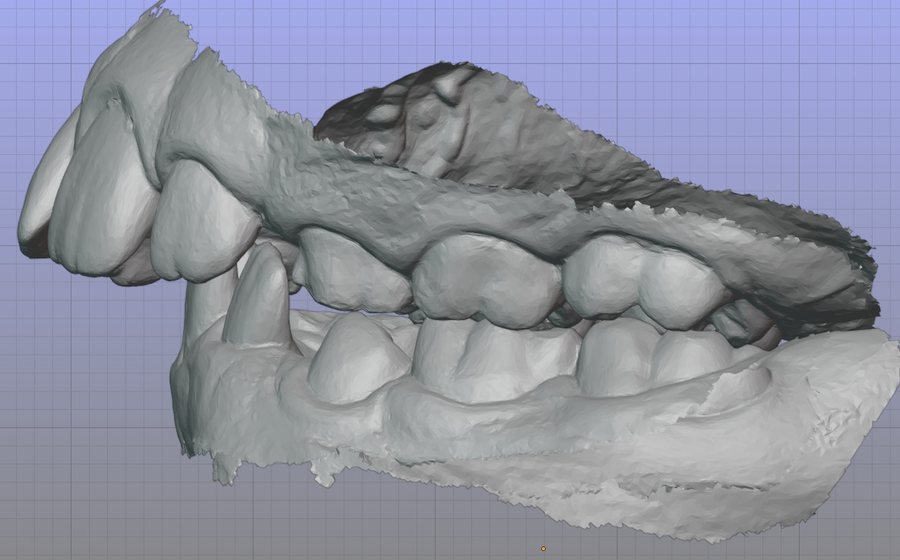 Before
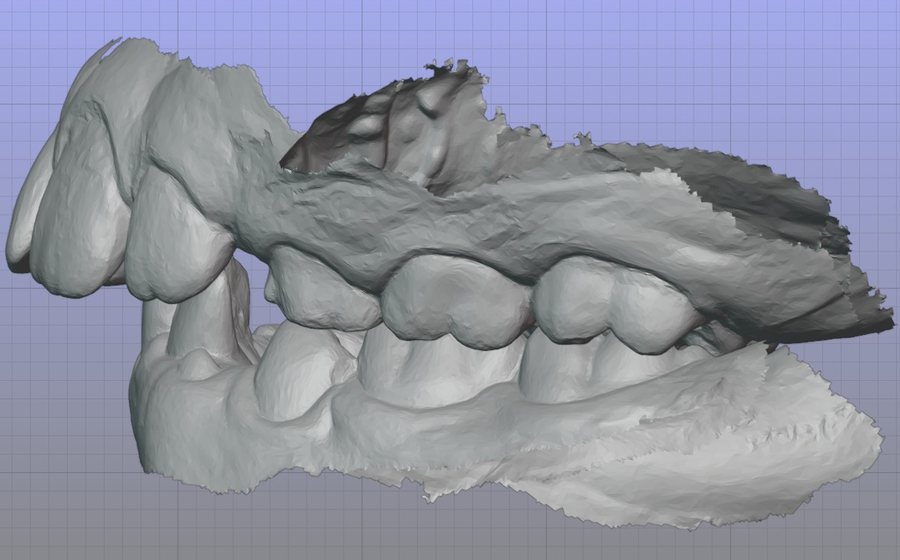 After
Overjet reduced from 8.5 mm to 6 mm after the first appliance.
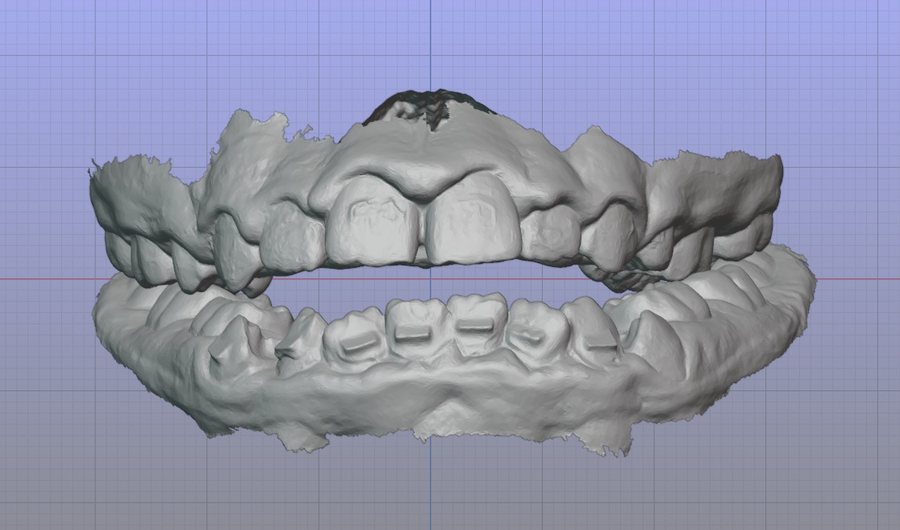 Before
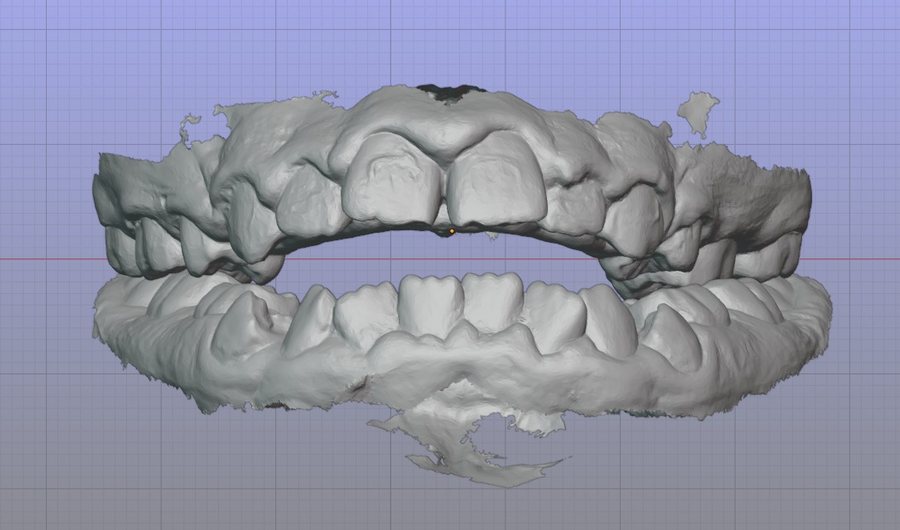 After
The gap between the front teeth fell from 6 mm to 3 mm after 3 aligners.
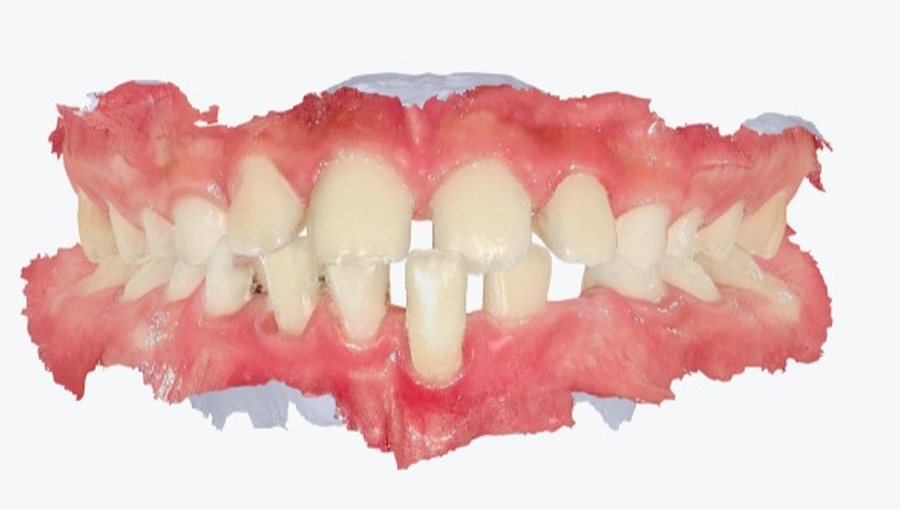 Before
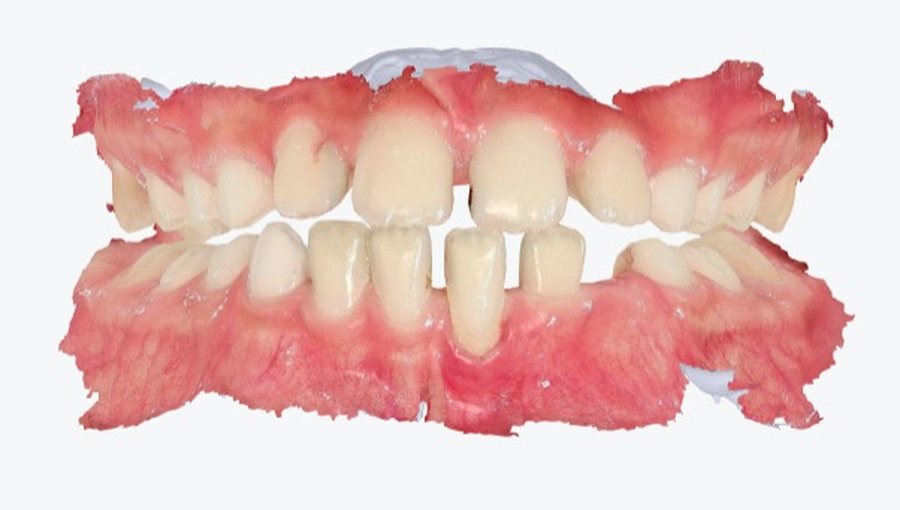 After
An anterior crossbite before and after treatment with printed Graphy aligners.
Real photographs from the centre’s files and Prof. Elkhadem’s lectures. Results differ from one patient to another, and the treatment plan is decided after examination.
Used for teenagers and adults in cases such as:
Some cases are better treated with fixed braces, which the centre also provides. After the examination we tell you plainly which is better for you.
Aligners only work while they are in your mouth. They are usually worn for most of the day and removed to eat and brush, as your orthodontist instructs.
We examine your teeth and bite and decide whether aligners suit your case.
Photographs, X-rays and a digital scan of your teeth instead of conventional impressions.
You see on screen how your teeth will move, step by step, and the expected number of aligners, before you start.
Your Graphy aligners are printed in Cairo, then finished and checked before you receive them.
Regular review visits, then a retainer at the end of treatment to keep the result.
Answer the questions and send them to us on WhatsApp with a photo of your smile. We reply with the next step.
Your answers help us prepare your consultation. Diagnosis and planning follow the examination and records.
| Graphy clear aligners | Fixed braces | |
|---|---|---|
| Appearance | Clear and less noticeable | Visible on the teeth |
| Eating | Remove it and eat as usual | Avoid hard and sticky foods |
| Cleaning | Brush and floss as normal | Needs extra care and tools |
| Commitment | Depends on you wearing it most of the day | Works all the time without effort from you |
| Cases | Many cases, not all | Suits most cases, including complex ones |
Both are available at the centre. The choice is based on your case, not on a general preference.
BDS, MSc (Cairo), MSc (Oxford), MSc (Warwick), PhD · FOrthRCSEd · MOrthRCSEng · MOrthRCPSG

The way it is made and the material. Conventional aligners are heat-formed over a model, while a Graphy aligner is printed directly in a material with a shape-memory property. Which suits you is decided after the examination.
It depends on the case. The digital plan shows the expected time and number of aligners before you start.
It is normal to feel pressure on the teeth for the first few days of each new aligner. It then eases.
It is set after the examination and digital plan because it depends on the number of aligners your case needs.
Yes in many cases. For children there are printed appliances such as the Twin Block, and for teenagers clear aligners, provided they are worn as instructed.
A retainer to keep the result. Teeth tend to move back if a retainer is not worn.
We examine your teeth and tell you whether Graphy aligners suit you, and what the alternative is if they do not.